





Improve Accountability Across Your Vehicle Fleet
Government institutions and non-governmental organizations often operate vehicles across different departments, projects, regions, and field locations.
These vehicles may support:
- Community programs
- Health services
- Education projects
- Emergency response
- Monitoring and evaluation
- Agricultural programs
- Environmental projects
- Staff transport
- Field inspections
- Supply distribution
- Humanitarian activities
- Administrative operations
Managing these vehicles through paper logbooks, telephone calls, and driver reports can make it difficult to confirm where vehicles are, how they are being used, and which project should carry the cost.
Omtrack brings connected vehicles together on one fleet-management platform. Authorized users can monitor locations, review journeys, receive alerts, manage maintenance, and generate operational reports.
Fleet Challenges Facing Government and NGOs
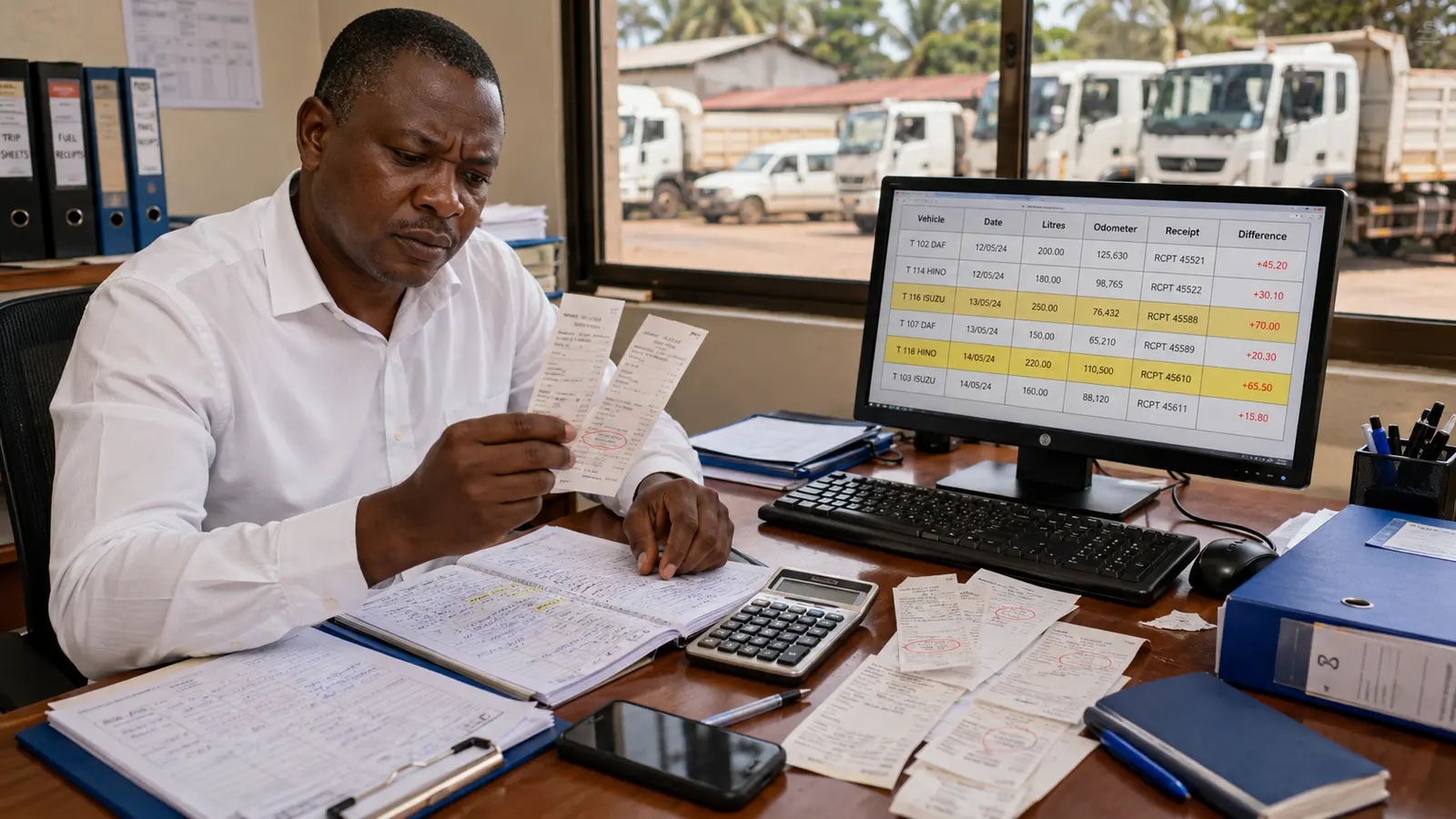
Public institutions and development organizations may experience:
- Difficulty locating field vehicles
- Unauthorized or personal vehicle use
- Poorly completed vehicle logbooks
- Excessive fuel consumption
- Fuel theft or unexplained losses
- Vehicles operating outside approved hours
- Unplanned route changes
- Long and unexplained stops
- Delayed field activities
- Missed maintenance schedules
- Unexpected vehicle breakdowns
- Limited visibility across several projects
- Difficulty allocating costs to programs
- Uneven use of fleet vehicles
- Weak driver accountability
- Incomplete information for management reviews
- Difficulty monitoring remote field operations
- Security concerns involving vehicles and staff
Omtrack helps organizations replace uncertainty with recorded fleet information.
Government and NGO Fleets Omtrack Can Support
Our fleet-management solutions can support:
- Government ministries
- Government departments
- Local authorities
- Public agencies
- Regulatory institutions
- International NGOs
- Local NGOs
- Humanitarian organizations
- Charitable organizations
- Development agencies
- Research institutions
- Health organizations
- Educational organizations
- Faith-based organizations
- Environmental organizations
- Community-development programs
Omtrack can provide tracking options for:
- Field vehicles
- Project cars
- Pickup trucks
- SUVs
- Ambulances
- Mobile clinics
- Minibuses
- Staff buses
- Delivery vehicles
- Motorcycles
- Trucks
- Emergency-response vehicles
- Service and maintenance vehicles
- Other organizational fleet assets
How Omtrack Supports Institutional Fleets
Omtrack begins by understanding your organizational structure and fleet-management requirements.
-
Fleet assessment: We review your vehicles, departments, projects, operating areas, current controls, and reporting needs.
-
Solution recommendation: Omtrack recommends suitable GPS devices, optional sensors, user roles, alerts, and reports.
-
Professional installation: The selected tracking devices are installed and tested.
-
Platform configuration: Vehicles, departments, projects, users, geofences, and alerts are configured.
-
User training: Authorized managers and employees learn how to use the platform.
-
Ongoing support: Omtrack provides technical assistance according to the agreed service arrangement.
This creates a fleet-management setup aligned with your organization’s actual operations.
Monitor Field Vehicles in Real Time
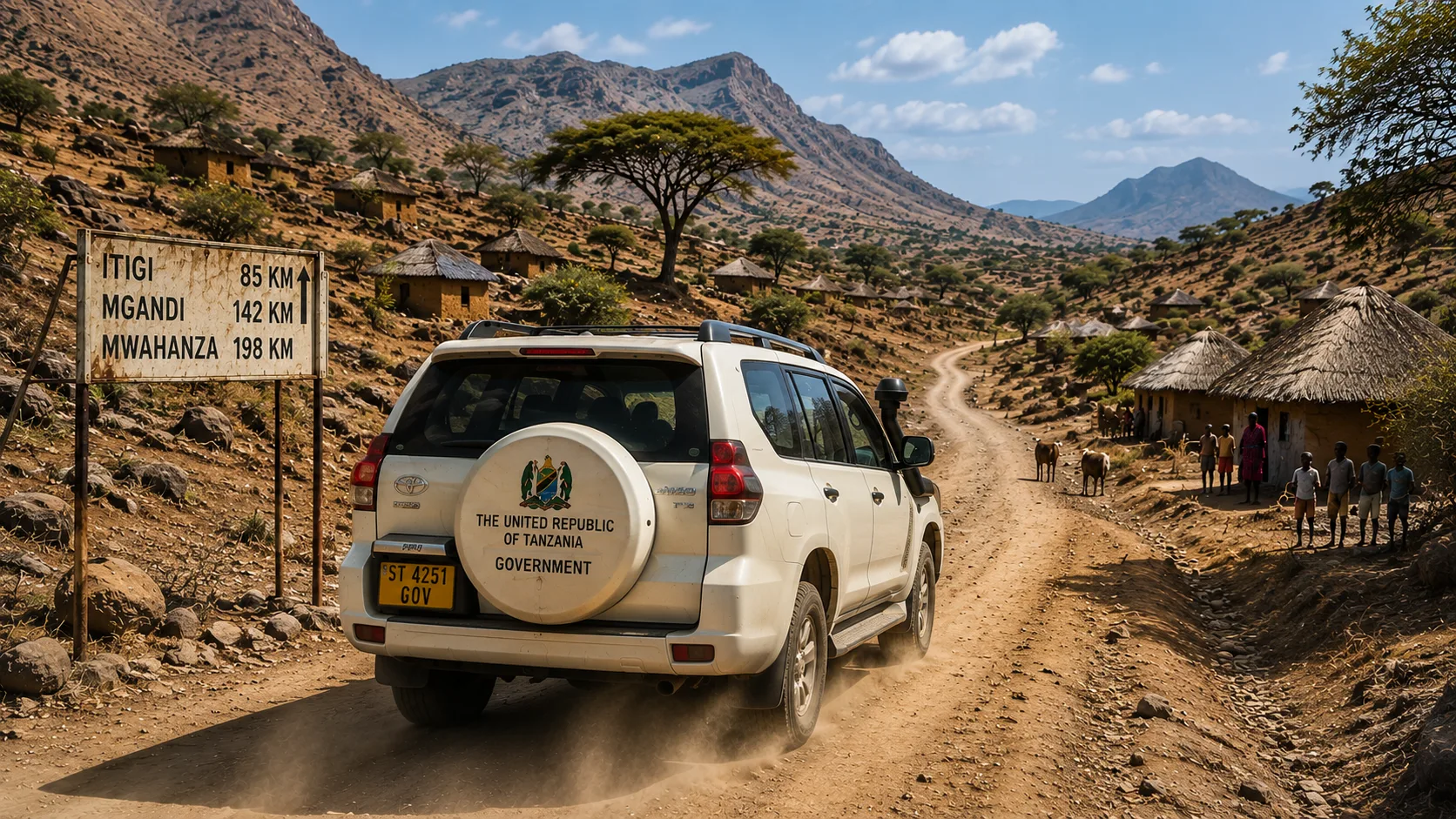
Field activities may take place far from an organization’s main office. Managers need a reliable way to monitor vehicle movement without repeatedly calling drivers or field employees.
Omtrack allows authorized users to check the latest recorded location and movement status of connected vehicles.
Your organization can use the live fleet map to:
- Follow vehicles travelling to project locations
- Confirm departure for field assignments
- Identify unexpected stops
- Check whether teams reached their destinations
- Monitor vehicles returning to the office
- Locate the nearest available vehicle
- Coordinate urgent field support
- Respond faster when a team experiences problems
Tracking availability depends on the selected device, system configuration, communication method, and network coverage.
Connect Vehicles to Projects and Departments
Government and NGO fleets may serve several departments or donor-funded projects. Without clear allocation, it can be difficult to determine which vehicles supported each activity.
Omtrack can help organize connected vehicles by:
- Department
- Project
- Program
- Operating region
- Vehicle type
- Funding source
- Assigned team
- Operational purpose
Journey and mileage information can support internal cost allocation and project reporting.
GPS information should be used together with financial records, approved travel requests, driver logbooks, and organizational policies.
Strengthen Vehicle-Use Accountability
Organizational vehicles should only be used for approved activities.
Omtrack can help authorized managers identify:
- Journeys outside approved working hours
- Unexpected weekend use
- Vehicles entering unauthorized areas
- Movement without an assigned activity
- Excessive mileage
- Long unexplained stops
- Vehicles used outside approved regions
- Repeated deviations from expected routes
Recorded journey information supports fair investigations and reduces dependence on assumptions or incomplete verbal reports.
Digitize and Verify Vehicle Logbooks
Paper logbooks can be incomplete, damaged, delayed, or filled in inaccurately.
Omtrack automatically records vehicle activity that can help verify manual records.
Depending on the selected system, information may include:
- Journey start and end times
- Routes travelled
- Distance covered
- Stop locations
- Stop duration
- After-hours movement
- Geofence activity
- Daily and monthly mileage
Electronic journey information can support internal reviews, but it should not automatically replace required official records unless the organization has approved that process.
Monitor Approved Routes and Field Assignments
Some field assignments require vehicles to follow approved routes or travel only to specific project areas.
Omtrack allows managers to review the routes connected vehicles use. Depending on the configuration, alerts can be created for route deviations or movement outside defined operating areas.
Route monitoring can help identify:
- Unauthorized diversions
- Unexpected destinations
- Extended stops
- Excessive journey times
- Unnecessary mileage
- Routes with repeated delays
- Potential security concerns
Managers can contact the driver or field team to understand the reason before taking action.
Use Geofences Around Important Locations
A geofence is a virtual boundary created around a selected area.
Omtrack can create geofences around:
- Government offices
- NGO offices
- Project locations
- Health facilities
- Schools
- Warehouses
- Distribution points
- Staff compounds
- Vehicle yards
- Workshops
- Fuel stations
- Restricted locations
Depending on the configuration, authorized users can receive an alert when a connected vehicle enters or leaves a geofenced location.
Geofence records can help confirm field visits, supply deliveries, workshop visits, vehicle returns, and movement outside approved areas.
Control Fuel Consumption and Possible Losses
Fuel expenses can consume a significant portion of public and development-program budgets.
Omtrack helps organizations review:
- Distance travelled
- Engine idling
- Unauthorized journeys
- Route deviations
- After-hours vehicle use
- Refuelling activity
- Fuel-consumption patterns
- Sudden fuel-level changes where compatible sensors are installed
Managers can compare fuel information with assigned journeys, mileage, and field activities.
This helps identify unusually high consumption, possible fuel losses, unnecessary trips, and vehicles that require further inspection.
Reduce Excessive Idling
Vehicles may remain switched on while drivers wait for staff, instructions, loading, or field activities.
Excessive idling wastes fuel and increases engine hours without moving the project forward.
Omtrack can help managers identify vehicles with unusually high idle time. The organization can then investigate whether the cause involves:
- Operational waiting
- Poor scheduling
- Driver habits
- Field conditions
- Mechanical requirements
- Unnecessary engine use
The objective is to reduce avoidable idling without interfering with legitimate operational or safety needs.
Improve Driver Behaviour and Road Safety
Drivers are responsible for organizational vehicles, passengers, supplies, and the reputation of the institution they represent.
Depending on the installed equipment, Omtrack can help monitor:
- Excessive speeding
- Harsh braking
- Rapid acceleration
- Sharp cornering
- Excessive idling
- Driving outside approved hours
- Unauthorized stops
Driver reports can support:
- Safety training
- Performance discussions
- Accident-risk reduction
- Driver-recognition programs
- Fair enforcement of transport policies
- Investigation of repeated unsafe behaviour
Tracking should support—not replace—driver recruitment, licence verification, training, supervision, and established safety procedures.
Support Staff and Field-Team Safety
Field teams may work in remote locations or travel long distances.
When a vehicle is delayed or cannot be reached, Omtrack provides an additional source of location information.
Authorized managers can:
- Check the vehicle’s latest recorded location
- Review its recent journey
- Identify where it stopped
- Contact the driver or team
- Coordinate organizational assistance
- Inform relevant supervisors
- Follow the organization’s emergency procedures
GPS tracking strengthens operational visibility but does not replace communication equipment, travel-risk assessments, first-aid preparation, insurance, or emergency-response plans.
Protect Vehicles and Mobile Assets
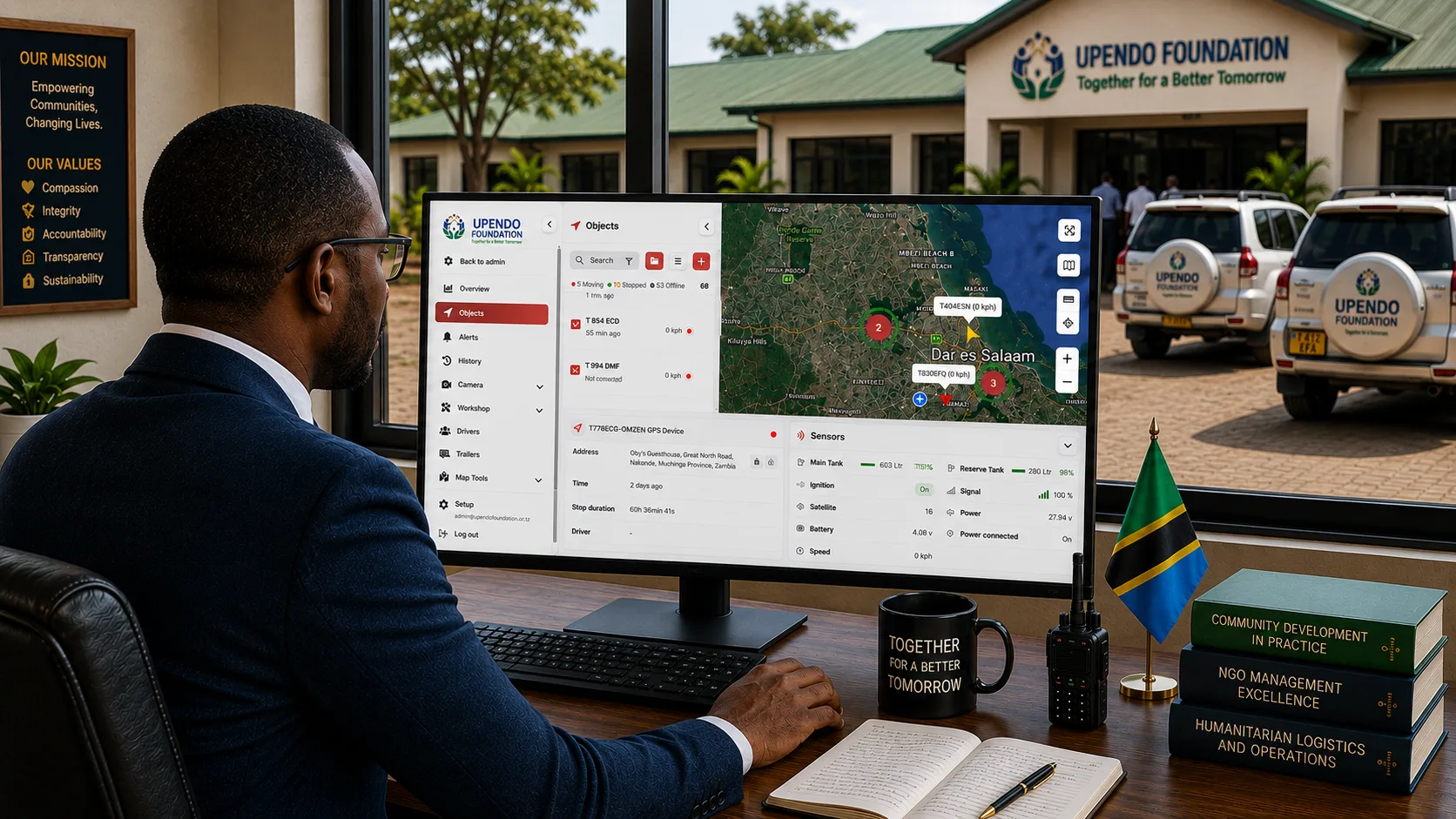
Government and NGO vehicles are valuable assets purchased to support public services and development programs.
Depending on the selected solution, Omtrack can send alerts for:
- Movement outside approved hours
- Departure from secure parking
- Entry into restricted locations
- Unexpected vehicle movement
- Geofence entry or exit
- Device disconnection or tampering, where supported
If a tracked vehicle is stolen, its latest available location information may assist the organization and relevant authorities with recovery efforts.
Plan Preventive Vehicle Maintenance
Missed maintenance can result in breakdowns, higher repair costs, unsafe vehicles, and interrupted program activities.
Omtrack can help create maintenance reminders using:
- Mileage
- Engine hours
- Calendar dates
- Previous service records
- Available vehicle-usage information
Reminders may cover:
- Engine servicing
- Oil and filter changes
- Brake inspections
- Tyre checks
- Battery inspections
- Cooling-system checks
- Insurance renewal
- Vehicle licensing
- Required inspections
- Other scheduled maintenance
Maintenance records help fleet managers identify vehicles with repeated faults or unusually high operating expenses.
Improve Vehicle Utilization
Some organizational vehicles may be heavily used while others remain parked for long periods.
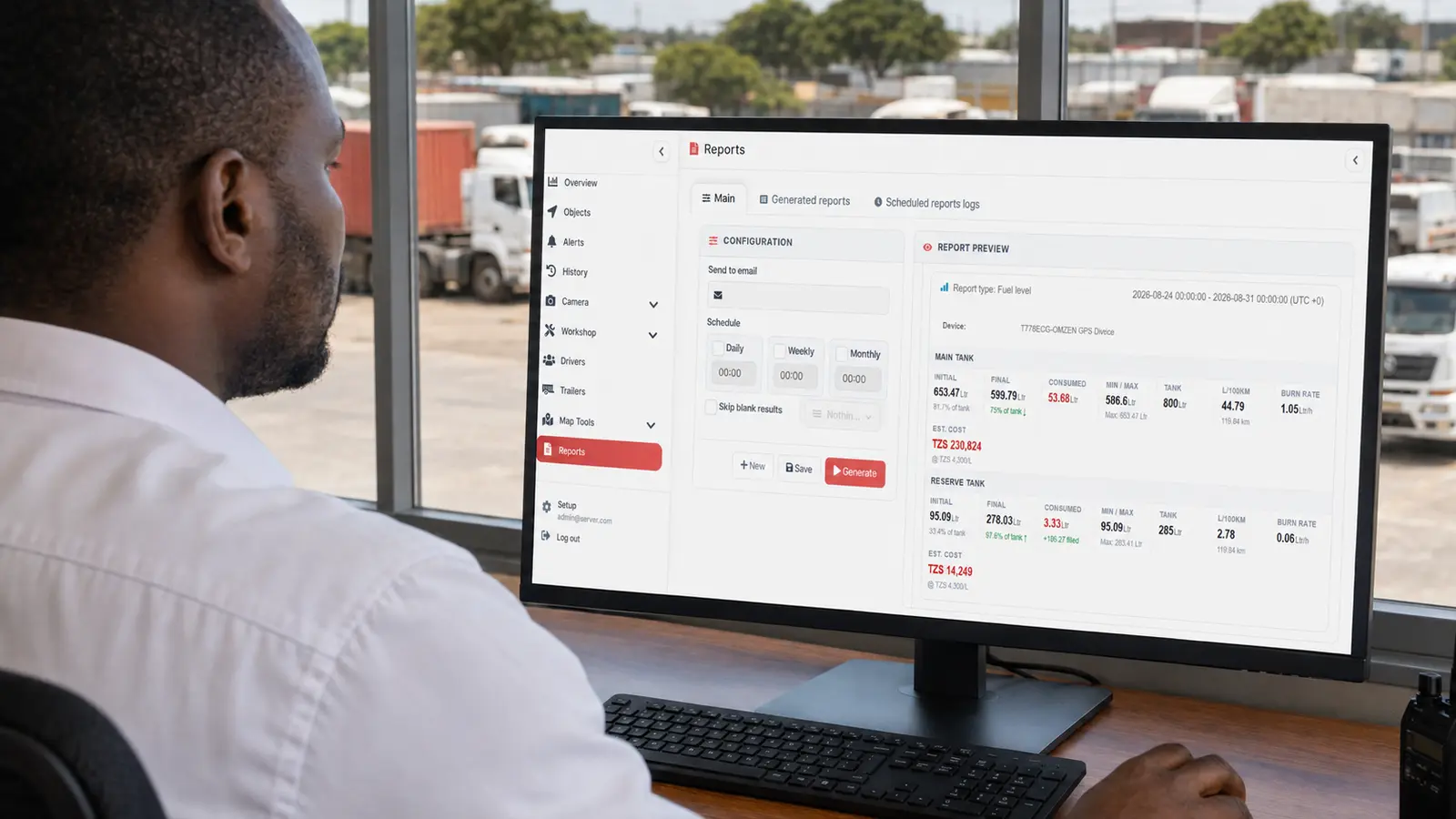
Omtrack fleet reports can help management compare:
- Mileage by vehicle
- Number of journeys
- Active and inactive time
- Projects served
- Areas visited
- Fuel activity
- Maintenance requirements
- After-hours movement
- Long periods without use
This information can support better vehicle sharing between departments and help determine whether additional vehicles are genuinely required.
Coordinate Emergency and Humanitarian Operations
During urgent field activities, managers need to know which vehicles are available and closest to the required location.
Omtrack can help authorized coordinators:
- Locate available vehicles
- Follow emergency movements
- Monitor supply transport
- Check vehicle arrival
- Coordinate several field teams
- Identify delays
- Review completed journeys
The system supports coordination but should operate within the organization’s established emergency structure and security procedures.
Improve Reporting to Management and Stakeholders
Government institutions and NGOs often need clear information about how vehicles support programs and public services.
Omtrack reports can provide recorded information about:
- Vehicle mileage
- Journey history
- Project locations visited
- Driving activity
- Idle time
- Vehicle utilization
- Fuel activity
- Geofence entry and exit
- After-hours movement
- Maintenance schedules
These reports can support management reviews, program monitoring, donor reporting, internal controls, and audit preparation.
Fleet reports should be interpreted alongside approved travel documents, financial records, and organizational policies.
Role-Based User Access
Not every employee needs access to the entire fleet.
Omtrack can configure access according to organizational responsibilities. Depending on the selected system, access may be provided to:
- Executive management
- Fleet managers
- Transport officers
- Project managers
- Regional coordinators
- Security personnel
- Maintenance teams
- Authorized finance or audit employees
Role-based access helps protect sensitive vehicle and staff-movement information.
Data Privacy and Responsible Fleet Monitoring
Vehicle tracking should be implemented transparently and responsibly.
Government institutions and NGOs should:
- Inform drivers and relevant employees about GPS tracking
- Explain the operational purpose of monitoring
- Include tracking in transport and vehicle-use policies
- Limit access to authorized personnel
- Protect passwords and user accounts
- Avoid using data for unrelated purposes
- Define how long records will be retained
- Follow applicable privacy and data-protection requirements
- Review user access regularly
Clear policies help build trust and reduce misuse of fleet information.
Access Fleet Information from Anywhere
Authorized employees can access relevant Omtrack information through a compatible web platform or mobile application.
This allows fleet managers, project coordinators, and approved decision-makers to monitor operations even when they are away from the main office.
User permissions can be configured to match departmental, project, regional, and security responsibilities.
Benefits of Vehicle Fleet Management for Government and NGOs
Using Omtrack vehicle fleet management for government and NGOs can help your organization:
- Monitor field vehicles in real time
- Strengthen vehicle-use accountability
- Verify journey and mileage records
- Control unauthorized vehicle use
- Improve fuel accountability
- Reduce excessive idling
- Support driver safety
- Coordinate field teams
- Protect vehicles and mobile assets
- Plan preventive maintenance
- Reduce avoidable breakdowns
- Allocate vehicles between projects
- Improve fleet utilization
- Support management reporting
- Make decisions using reliable vehicle information
Results depend on your fleet, internal procedures, selected devices, network availability, system configuration, and how effectively your organization uses the platform.
Why Government Institutions and NGOs Choose Omtrack
Omtrack is more than a GPS tracking-device provider. We help institutions use fleet information to improve accountability, protect resources, support field teams, and deliver programs more effectively.
Understanding of Institutional Fleet Requirements
We understand that government and NGO vehicles may serve different projects, departments, operating regions, and funding arrangements.
Solutions Built Around Your Structure
Omtrack assesses your fleet, organizational roles, reporting needs, operating areas, and internal controls before recommending a solution.
Professional Installation
Our technicians install and test tracking devices carefully to ensure they are properly configured for regular fleet use.
Practical User Training
We help authorized employees understand how to monitor vehicles, review journeys, create geofences, interpret alerts, and generate relevant reports.
Ongoing Technical Support
Omtrack continues supporting your organization after installation, helping authorized teams resolve technical issues and use the platform effectively.
Scalable Institutional Support
Your organization can begin with priority vehicles, one department, or one project, then expand the system as operational requirements grow.
Focus on Accountability and Program Impact
Our goal is not simply to display vehicles on a map. We help your organization reduce avoidable costs, protect assets, improve field coordination, and direct more resources toward its core mission.